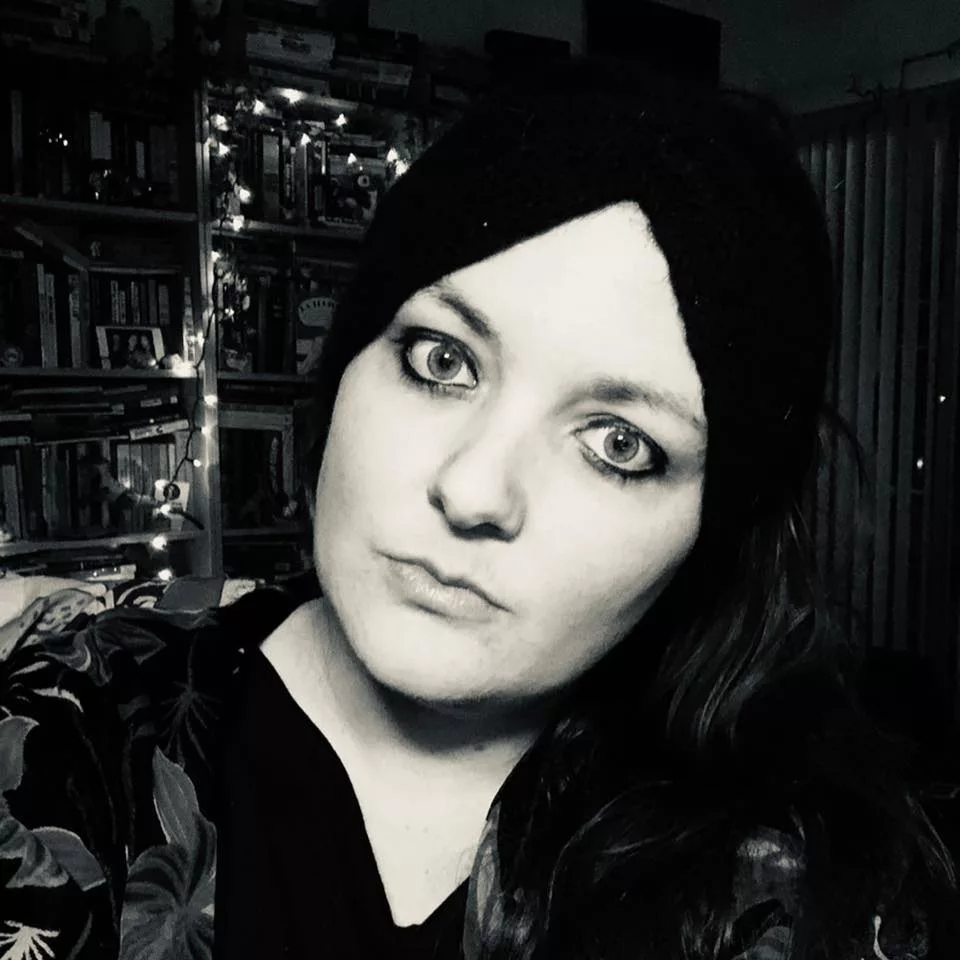
A few years back, Chicago-based directing duo Kelly O’Sullivan and Alex Thompson broke out big with “Ghostlight,” their tender exploration of family (played by Chicago powerhouse acting family Keith Kupferer, Katherine Mallen Kupferer, and Tara Mallen) as they process an unimaginable loss through the power of community theatre. This year the duo have re-teamed with two-thirds of the Mallen Kupferer family for another exceptionally perceptive and honest depiction of grief and the rocky road towards healing.
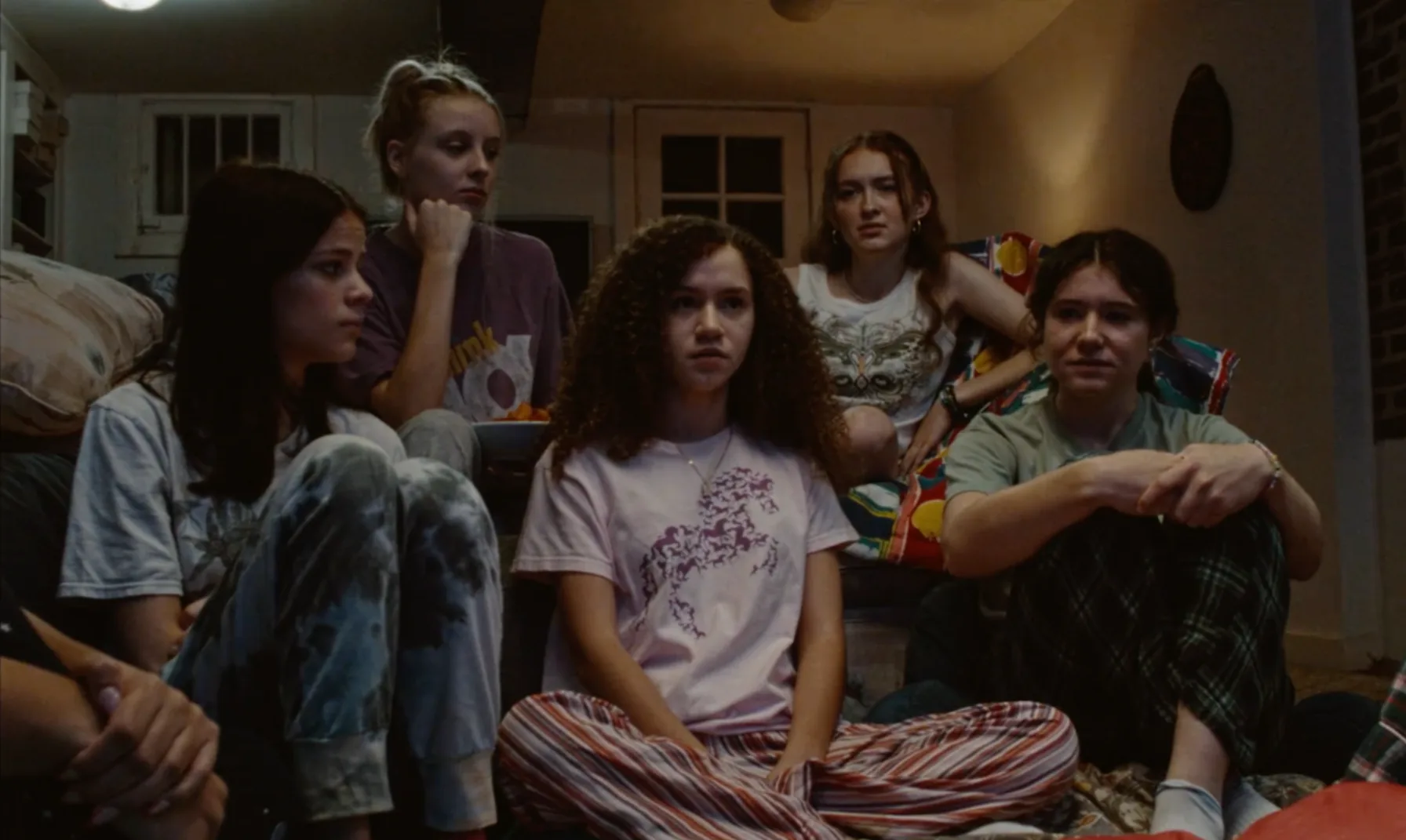
Katherine Mallen Kupferer is Minnie, a high school junior who’s perfectly content playing second fiddle to her best friend Callie (Chloe Coleman), a theatre kid with her sights set on Juilliard and then Broadway glory. When an accident on the first day of summer break disrupts their close-knit friendship, Minnie must navigate senior year alone.
As the year progresses, she forms an unconventional friendship with Helen (Sophie Okonedo), her best friend’s mom, and the two bond over their memories of Callie. At the same time, Minnie’s relationship with her single mom, Barbara (Tara Mallen), begins to fray as she falls in love with a girl named Kat (Iman Vellani), who also knows a thing or two about losing a loved one.
In her four-star review of its Centerpiece presentation at the Chicago International Film Festival, Cortlyn Kelly praised O’Sullivan’s screenplay, writing that it “braids together these familial, romantic, and platonic connections of Minnie’s life, putting her through a whirlwind, almost accelerating her maturity…O’Sullivan’s words are so delicate in how they balance aiding the performers to express these complexities without stifling the space for them to show, not tell. “
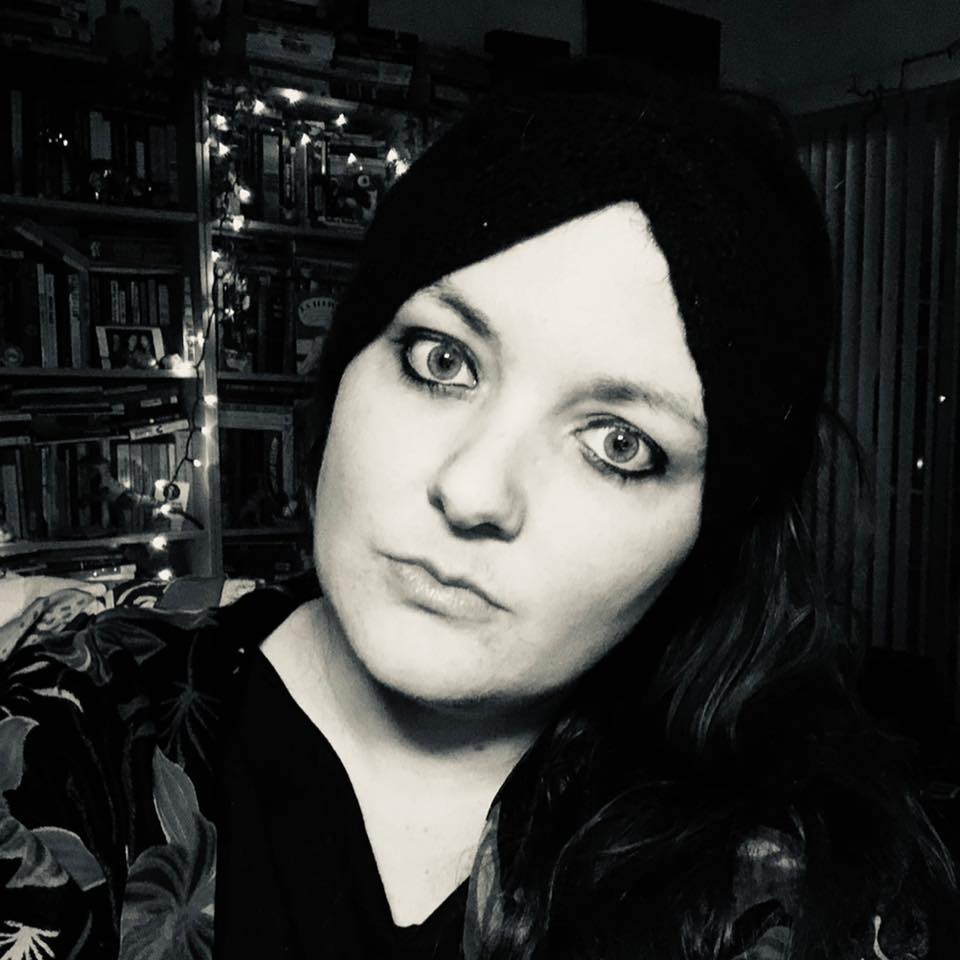
Born and raised in Little Rock, Arkansas, U.S., O’Sullivan began performing in children’s theatre at age five, later moving to Chicago where she studied theatre at Northwestern University and the Steppenwolf Theatre Company’s School. Inspired by the autobiographical elements of Greta Gerwig’s “Lady Bird,” O’Sullivan wrote the screenplay for “Saint Frances,” mining her own experiences supporting herself as a nanny in her twenties. This led to her first major collaboration with her creative and life partner Alex Thompson, who directed the film.
“Saint Frances” won the audience award at the SXSW Film Festival and was nominated for the John Cassavetes Award at the Independent Spirit Awards, while Thompson was nominated for Breakthrough Director at the Gotham Awards.
O’Sullivan stepped into the co-directing chair for their second collaboration, “Ghostlight,” which premiered at the 2024 Sundance Film Festival. Written specifically by O’Sullivan for her one-time theatrical co-star Keith Kupferer, the film received numerous awards and nominations, including Best Lead Performance for Kupferer at both the Gotham Awards and the Independent Spirit Awards, where they were once again nominated for the John Cassavetes Award.
Their latest collaboration, “Mouse,” debuted in the Panorama section of the 76th Berlin International Film Festival and received a nomination for Best Feature Film at this year’s Gotham Awards, which will be presented in November.
For this month’s Female Filmmakers in Focus column, RogerEbert.com spoke with directors O’Sullivan (who also writes) and Thompson at the Chicago International Film Festival about making intimate, character-driven films, moving forward with grief, and leveling up their directing partnership.
This interview has been edited for length and clarity.
When you work on something that comes from a deeply autobiographical place, where do you start?
Kelly O’Sullivan: Well, for me—and this was the same with “Ghostlight” and “Saint Frances”—it starts from a real place and the real feelings that I felt at the time when my friend died, and then it spins out from there. I wasn’t interested in portraying what really happened to our community in a super specific way after her death. I was more interested in this fictional character of the mother, Helen (Sophie Okonedo), and that relationship with Minnie (Katherine Mallen Kupferer), which is totally fictionalized. It came from wanting two people who had been defined by Callie (Chloe Coleman) and asking, “What do each of them do when Callie is suddenly gone?”
Would you say it started with that question or once you had the character?
K.O.: I think it was a combination of it starting with that event that really happened in my life, but then also the question of who did these people become?
I imagine you set the film in 2002 because those were your teen years?
K.O.: Yeah, it was. That was a huge part of it. I think it’s just so different to be a teenager now. I would have a hard time writing all the specifics of what it is to be a teenager now. I also wanted to set it pre-social media because I think the way that we grieve has really changed.
With social media, now when somebody dies, I feel like a way to pay tribute—and it can be beautiful—is to take to social media. That’s where you can express all your complicated feelings, and that’s where you can post all the pictures. But that’s where competitive grief can come out, and sometimes some performative grief.
Cara (Audrey Grace Marshall) is sad and grieving, but she’s also making it her whole personality in a way that is deeply uncomfortable to watch.
K.O.: When you’re a teenager, those feelings, because you haven’t experienced anything like that before, are so front and center that sometimes you don’t know what to do with them. It can start in a genuine place, then become performative.
So, I wanted to go back to a time when, if you were going to have to find an outlet for your grief, it couldn’t be through social media. It might have to be through a talent show. When I found out that my friend died, I didn’t have a cell phone, so the way that I found out was very confusing. It was mostly word of mouth until we all gathered at somebody’s house, and then information slowly trickled in. Then it became a flurry of text messages and calls. So I wanted to preserve the messiness and the confusion of that.
I had a friend who passed away in 2008 in a really terrible way. After I rewatched this movie a couple of days ago, I started thinking about her, and I did go on her Facebook. It’s a memorial now. It’s interesting how you can keep people alive in your brain forever, and now also digitally. She’s been gone longer than I knew her, but I think about her all the time. Then, with the Facebook page, I can look at her pictures.
K.O.: I was just talking about my friend in that way, too. Because she was just 17 years old when she died, and now she’s been gone longer than she was alive. I remember when we hit that number, and now it’s even beyond that. Just the strangeness of that, of thinking, “I’ve been alive double the amount that she got.”
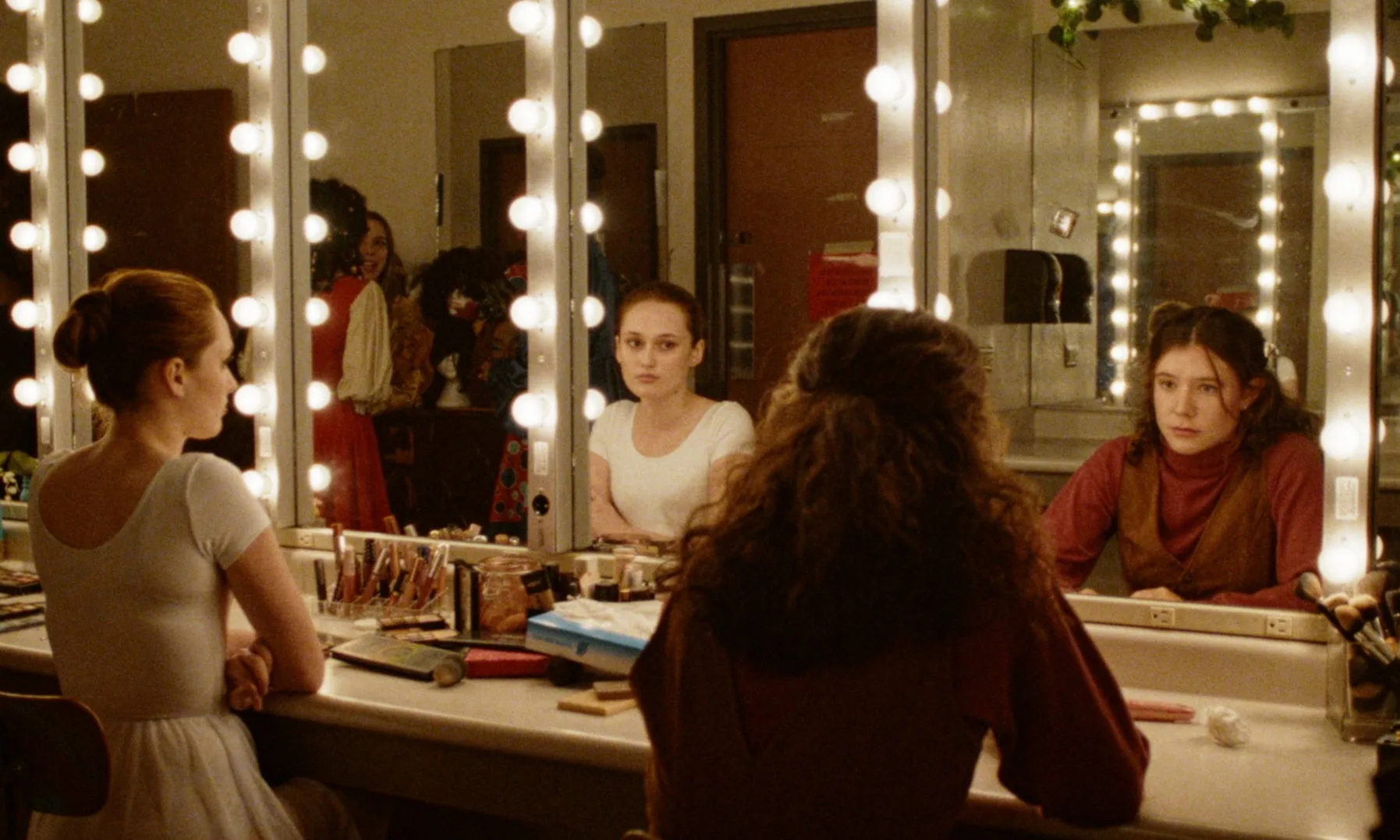
You have a lot of perceptive lines about grief. There’s this line when Minnie is being kind of rude to Kat, and she says, “I’m still raw. You’ll find out.” But also, in the sad parents group, someone says, “There’s no moving on; There’s just living forward.” That line really hit because it’s so true. One aspect of grief is the same for everybody: we all hold on to it; it morphs, but it never goes away.
K.O.: One time I saw this beautiful image of a person, and their grief was like a circle inside them that was taking up their whole body, and they said, “What happens is the grief doesn’t get smaller. You just expand around it.” The grief stays the same size; you just grow. That really stuck with me as well, because my mom died very suddenly while we were shooting this movie.
That’s horrible. I can’t imagine that happening so suddenly, and then you still made a movie. That’s a lot.
K.O.: It was a lot, but in a weird way, all these lines that I had written, mostly from a hypothetical place, became very experientially true. Like that line that you mentioned from Kat, “It’s still fresh.” I just hit the two-year mark of my mom, and I’m nowhere near healed, you know. And don’t expect it to ever be okay.
My dad passed away eighteen months ago and I’m not even close. I think we’re all at that age where our parents are starting to pass away.
K.O.: That’s the hard thing. I have this group of friends, and I’m the first one to lose a parent, but other people’s parents are starting to go through health crises. My mom died very suddenly. It was a brain aneurysm. She was perfectly healthy, and then, like that, she was gone. It’s weird to be the first one in a group and think, “Oh my God, you guys have no idea what’s coming.”
Both “Mouse” and “Ghostlight” are interesting films about grief because they don’t have many big scenes. Okonedo has one big scene at the end, but for the most part, it’s made up of the little parts of grief, which is more accurate to how people grieve. How do you approach writing those small scenes?
K.O.: What I’ve really found is that if I write from the specificity of what I’m going through, and I know that for me it’s a lot of those little moments, then it seems to resonate with other people. Sometimes I’ll watch a movie, and there will be a series of big scenes over and over, and it feels so punishing. It also doesn’t feel very true. What feels true to me are the little moments, and then the person has to carry on, because life keeps going. And you’re debating, “Do I let myself acknowledge this moment, or should I just keep on with my day?” That feels the most true.
In that big scene with Helen and Barbara (Tara Mallen) at the end, where you faintly hear “Achy Breaky Heart” in the background. Was that planned in the script as a sort of comic thing to balance the big emotions?
K.O.: Oh yeah. This goes into my whole mission statement: always having the comedy and drama of life exist at once, because that’s how it happens all the time. I’ll be having the biggest breakdown in my life, and something ridiculous is happening in the background. But also, that song choice was written into the script. One, because it was huge when I was young. But also thematically, the lyrics of that song are so perfect: “Don’t tell my heart, my achy breaky heart, I just don’t think he’d understand. So it was both the absurdity of this girl choosing to clog dance in this memorial show and the lyrics being right.
Another great comic-tragic moment is during the funeral slideshow when “Angel” by Shaggy plays. This is exactly what the teenage girls would have picked in that year, but at the same time, if you’re from our generation, when you hear Shaggy, you also think of his more inappropriate song.
K.O.: We tried a couple of different songs, and for a while it looked like we weren’t going to get the rights. Then when we finally got the rights, we were like, well, we just have to. And, again, it’s that thing where it’s ridiculous, but they absolutely would have picked it.
Then you have that great Leanne Womack song.
K.O.: Oh, that song that was on heavy repeat.
It played during every dance. Usually the slow song at the end of the dance.
K.O.: Yes. 100%. And again, that song, like, if you listen, the lyrics of it are so sad. It’s so sad. We got to constantly play with this idea of what is appropriate to the moment, and then what is appropriate thematically.
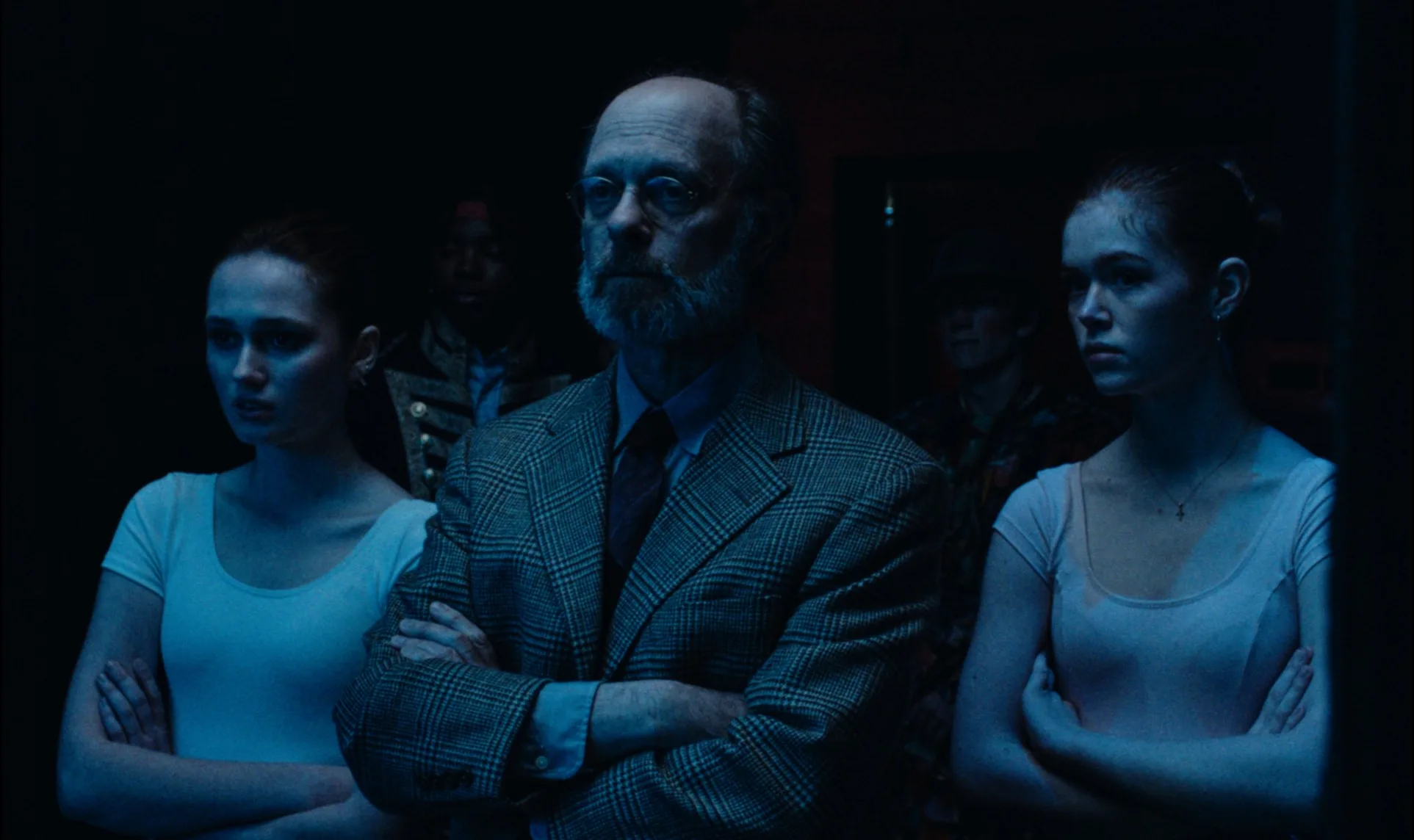
In terms of setting the era, it is 2002, so September 11th is really fresh, and you vaguely allude to that, but you do it in a way that is really impactful, because that kid who decides to sign up for the army realistically might die. So many kids who signed up during that era died or got injured horrifically or have PTSD.
K.O.: There was a period in the script where the post-9/11 world played more into it, with yard signs that say, like, “Never forget,” but it ended up not making the movie. I remember after 9/11 happened, there was this surge of 18-year-olds in my high school signing up.
At the time, they were being praised for it, and they were so convinced it was the right thing. And now it is the most tragic thing in the world to me. How many came back with PTSD, if they did come back at all? I think that’s the power of movies set in the past. Obviously, we know what’s going to happen in a lot of ways, and it adds tragedy to this sweet, goofy guy.
In the ’90s, there were all these films set in the 1970s, and it made sense. People thought, yeah, that was 20 years ago. But I don’t feel like we think of 2002 as being almost 25 years ago.
K.O.: No. I don’t; it feels like 10 years ago. Why?
Do you think that living in the social media era has shifted our perception of time?
K.O.: Probably. Also, I think we’ve had some major catastrophic events that have arrested our development as a society. I think certainly COVID and Trump and all of these things freeze us. It very much feels like my amygdala is frozen. I’m also curious whether people making films in the 1990s set in the 1970s felt like it was 20 years ago.
Maybe they didn’t either. You worked with Katherine Mallen Kupferer and Tara Mallen on “Ghostlight.” And Keith, who makes a cheeky cameo on a poster in the video store. While you were writing “Mouse,” were you thinking of Katherine for this role?
K.O.: No, not at all. I wrote “Mouse” before I wrote “Ghostlight.” After “Saint Frances,” we went a little more traditional Hollywood, trying to make “Mouse” with a bigger budget and find just one financier, or maybe two. It was in development hell for like five years; then it was almost put together when the strikes happened, and it all fell apart. That’s when we pivoted to “Ghostlight.” So, when I was writing “Mouse,” I didn’t even know Katherine yet. It took me a while, quite honestly, to even see her in the role of Minnie, because it’s so different from Daisy in “Ghostlight.”
But we really believe you should work with the best actor. And when we were doing the press tour for “Ghostlight,” there was a Q&A where Katherine, who is normally so confident and says whatever she wants, which is the opposite of Minnie, there was one moment where she got confused by the question or something. It was the first time I had seen her be really unsure of herself.
After that Q&A, she had real self-doubt. And I thought, “Oh, we should cast her.” The really amazing thing is she’s just as good in a role that’s totally different.
[Alex joins the conversation.]
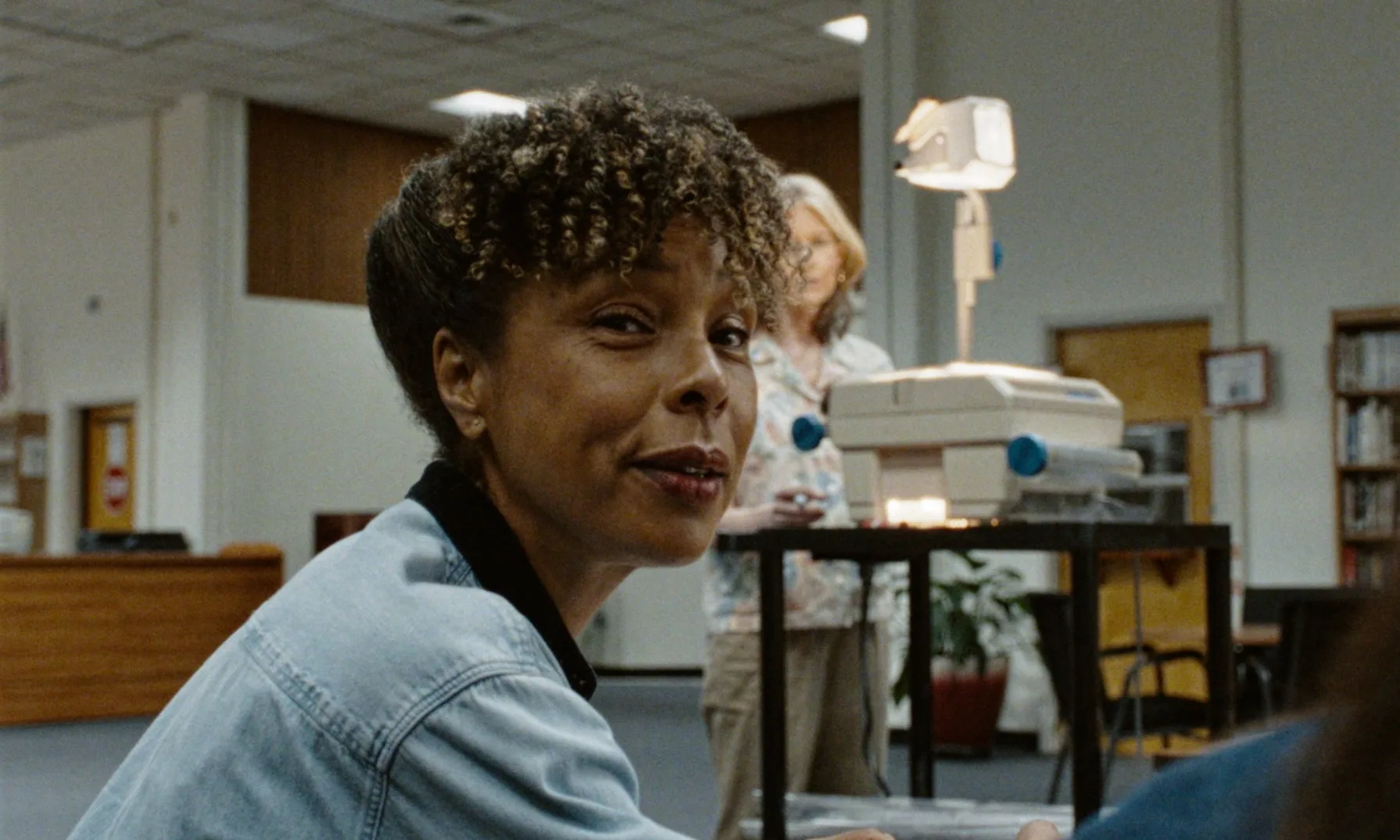
Having co-directed “Ghostlight” together, did your process change at all with this film?
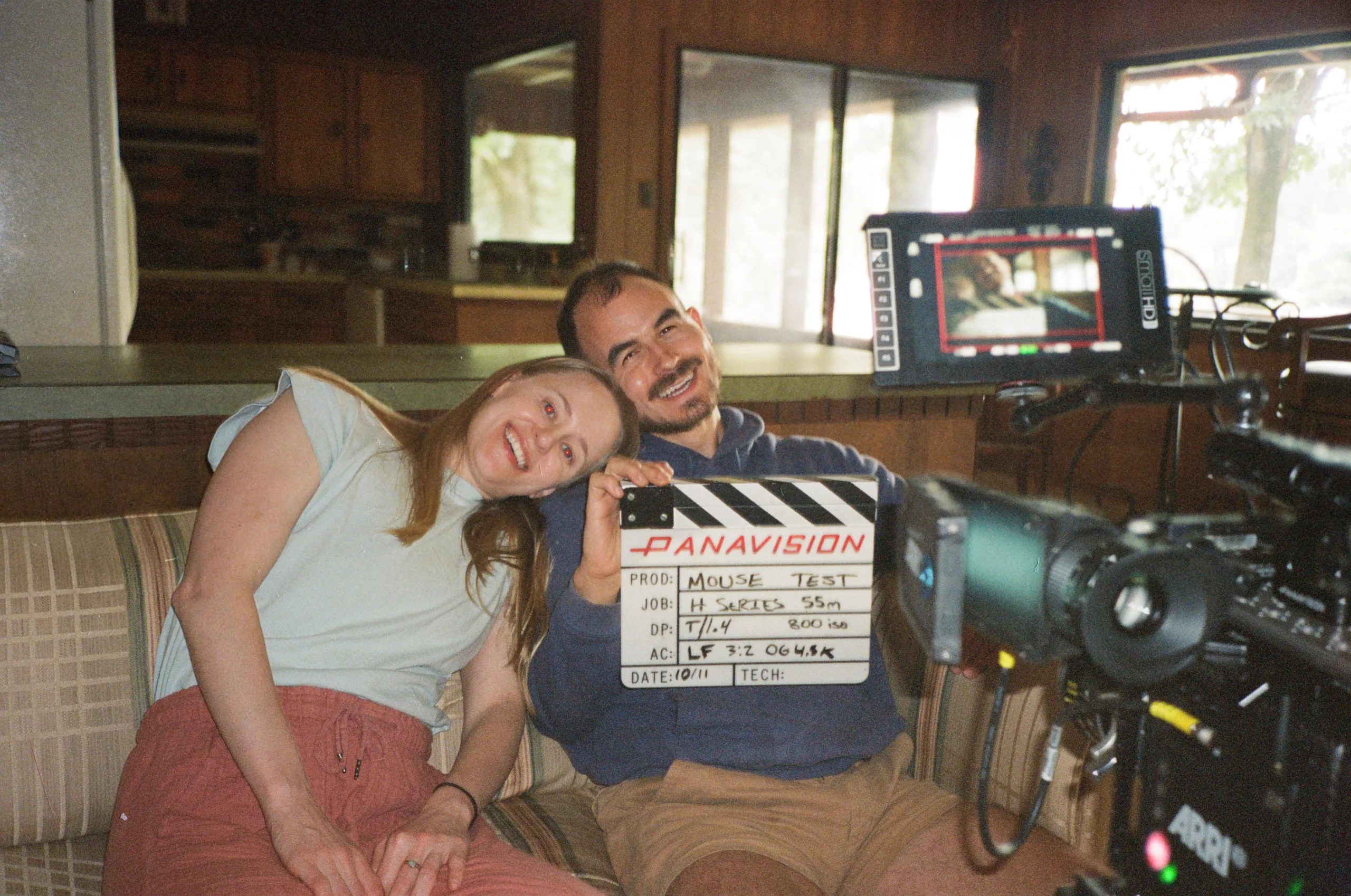
Alex Thompson: I recall that on “Ghostlight” there was still a sense of not wanting to step on each other’s toes. I think “Mouse” was more 100/100 rather than 50/50. We knew how special the story was, and how much potential it had to be a powerful piece of cinema, so neither of us wanted to miss a beat or an opportunity to make it as small and as intimate as it is.
It’s like all of our movies; it’s just about people. So we talked a lot about justifying the big screen and really loving movies that may focus on everyday things or the mundanity of life, but never feel that way. Movies that feel like walking into an old church and feeling connected. Where your little tiny life can be up on a big screen.
We each had different interests day by day, or sometimes literally scene by scene. So, like some scenes, it was Kelly talking to the actors more; in some scenes it was me. Some props were very important to me, so I focused on those. I think we tried not to exhaust people by doubling down. If one of us had something covered, we wouldn’t kind of double down on it. There was a lot of trust.
It’s like parenting or, I imagine, it’s like cooking. You know someone’s over there chopping the onions, and so you’re not “let me get those onions.” It’s like, okay, I hear Kelly gave me a note; I don’t need to give my take on that note. The fun thing about co-directing is you get to really be surprised when you watch the monitor. Because it’s not always your note. It’s not always something you care about, but you get to see it make things change.
When you work with your actors, do you start with a physical rehearsal before getting on set?
K.O.: No, we don’t really. We had the table read, and then we had one afternoon where we just read through the scenes with Katherine and Sophie. They’re big scenes, so we said, “If there are any hiccups, any things that feel like they’re giving you pause as an actor, not the character, let’s work it out.” That was the extent of our rehearsals.
A.T.: We also had one piano day; that was ostensibly to rehearse the piano scenes, but we ended up hanging out for an hour.
This was filmed in Arkansas, where it’s set. Are you originally from Arkansas? Is that why it’s set there?
K.O.: I am, yeah, that’s why it’s set there.
What was that like going back to where you were from?
K.O.: It was such a mind trip to go back to my hometown and film a fictionalized version of this event twenty-plus years later, because the actual place has changed. It’s way cooler. I remember one time, early in the morning, our ten-month-old wouldn’t sleep, so I went out to a coffee shop in my pajamas and ran into somebody I knew from high school. I found out later when I looked in the mirror, and I was just like, “Young Adult.” But I also felt the echoes of the past there. The most incredible thing was getting to spend time with my parents before my mom died, which I didn’t know was gonna happen, but that was the best thing about it.
Every time I go home, I’m always torn. I know why I left, and also, but why did I leave? You know what I mean? There are all those little things that are just a part of you, I guess, forever.
K.O.: I know, and sometimes, I look at people who stayed, and I’m like, “Your life seems pretty great. Seems pretty easy.”
But then they’re always super stressed. You talk to them, and they give you all the things they’re stressed about, and you’re like, damn, okay. I guess that’s like the human condition.
A.T.: Also, the event that inspired the movie, to some extent, wasn’t just impactful for Kelly. So many of the crew were younger, but you could also feel that this was something that they knew about, maybe hadn’t talked about. We had young actors whose parents talked to them about it afterward. Or Christen Pitts, who choreographed the dance.
K.O.: She was my high school dance teacher, who knew my friend who died. She choreographed the dance that is in the movie. So there are all these layers of crossover that could have happened by us going back to Arkansas.
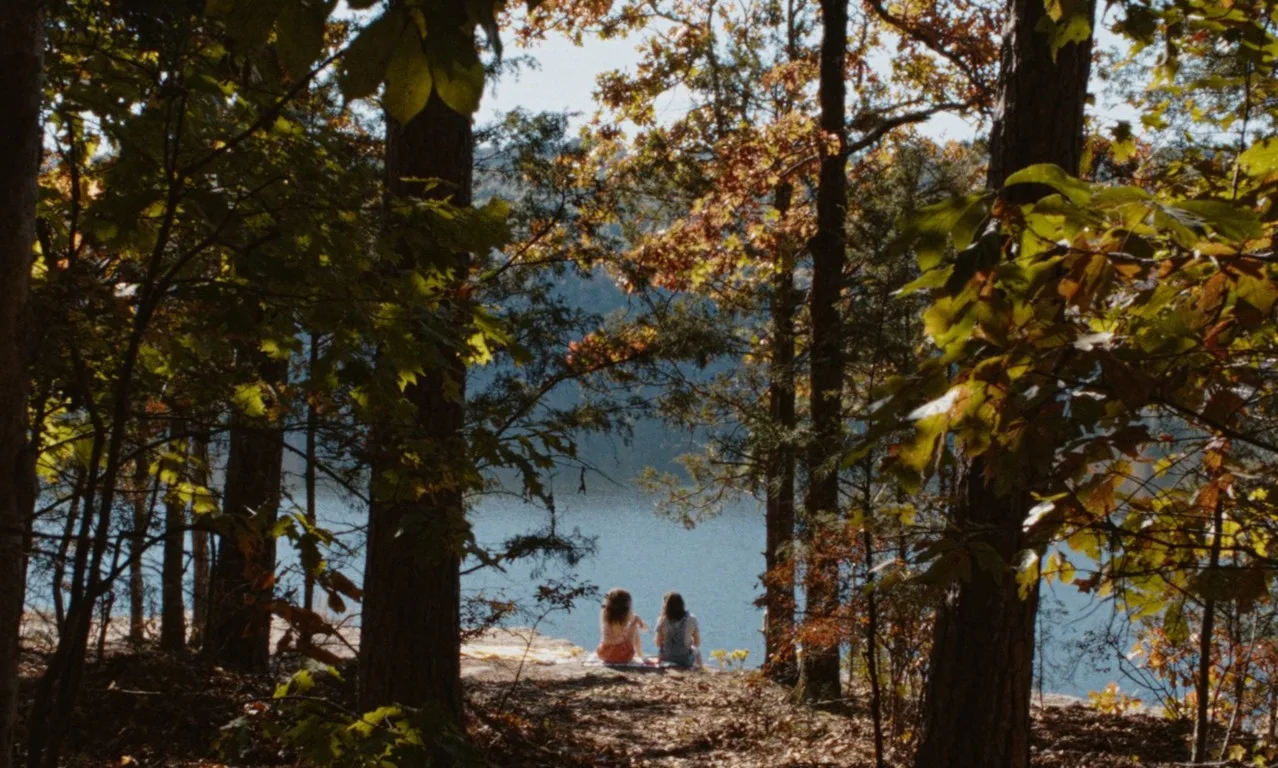
The quarry sequence is probably the most intense physical scene in one of your films. I would love to hear about filming that.
A.T.: I think we tend to write for what we can do, and there were some things in “Mouse,” to the earlier point, that justify a bit more work and a bit more effort. Like when the girls are driving the car recklessly while they’re singing the song. Same for the quarry scene. We found the quarry through the location scout. The quarry Kelly wrote for was on an army base, and it was definitely illegal.
K.O.: Kids are not supposed to sneak in, and we weren’t allowed to sneak in.
A.T.: So then we went to the other quarry after scouting and jumped in. Then when we picked the spots for filming and once the actors got into town, we went, and they were really gung-ho about–
K.O.: We had a whole stunt team.
A.T.: Chloe Coleman’s mom was a producer on “The Amazing Race.” She was like one of the people they would throw the challenges at to test them. So she was super gung ho, like, “Oh, this is gonna be this is gonna be great, Chloe. This is gonna be awesome. Jump from the highest point.” Then she did it, and I think the water had dropped 20 feet.
K.O.: Because there had been a drop.
A.T.: That was a bit scary. We had found three points, which served as three different angles for the jump. One was the actual high jump, which one person did: Minnie’s body double. Then the other two were our vantage points, and we were a little lower.
K.O.: We had a stunt team, and we had an underwater team. There were boats in the water to make sure everyone was safe.
A.T.: Good to reassure the reader.
K.O.: But it’s true, because it’s so different from what we’ve done in our other films.
A.T.: There was a good guy in a wetsuit, and there were always two people waiting out in the water.
K.O.: Even the dream sequence of the two little girls underwater required a stunt team. There were all these scuba divers around them off camera, keeping eyes on them. And that’s just in a pool. It’s interesting to make movies that require just a little bit more each time.
A.T.: It reminded me of working with intimacy coordinators, because they’re very interested in what your vision is, and then working with you and the actors towards that vision. Whereas without stunt people…one of the girls went underwater, and it was clear she was uncomfortable holding her breath. If it was just me on set, I would be like, “Well, we didn’t get that, and we probably won’t get that. Let’s find another solution. But the stunt team did like little swim lessons and breath-holding lessons, and got everybody comfortable. That’s when you realize how much effort goes into those kinds of scenes.
It seems so effortless when you watch it on screen. But you know, there’s so much preparation.
A.T.: It’s true for any department, but I think on “Mouse,” it was the first time that stunts and intimacy teams were as important for the creative as the cinematographer or the art department.
Especially with a film that is so personal, what do you hope audiences will come away with after they’ve finished watching?
K.O.: This is like all the scripts I write, but I really do hope there’s an increased sense of connection. This is a cliché, but I do think life is so hard, and there are events that are unforeseeable, and I think the only way out is through each other, and leaning on each other, and that there’s no right way to do it and that it’s okay to laugh. That connection is gonna help us through.
Are there any women who have made films that inspired you as a filmmaker, or films directed by women that maybe you think not enough people have seen?
K.O.: It was a huge hit, but I love “Portrait of a Lady on Fire.” I think that’s one of the most incredible movies.
A.T.: I think Sarah Polley’s “Women Talking” should have won everything. It’s so fucking good.
K.O.: What’s the name of her doc? “Stories We Tell.” It’s brilliant.
A.T.: I also count Agnès Varda amongst my favorite filmmakers.